Catalan digital art will once again feature at Ars Electronica, the leading international festival for art, science and technology, taking place in the Austrian city of Linz from 9 to 13 September 2026. This year, the festival celebrates its 47th edition under the twin themes of FUTURE BEGINS and NEGOTIATING HUMANITY.
The Catalan presence in 2026 includes Rocio Berenguer and a joint project by Domestic Data Streamers and Eléctrico 28, supported by the Institut Ramon Llull through its grant scheme for international programming in visual arts.
Since its creation in 1979, Ars Electronica has become one of the most influential international platforms for exploring the intersection of artistic practice, technological innovation and social transformation. Over nearly five decades, the festival has grown into an essential meeting point for artists, scientists, researchers, digital creators and thinkers from around the world.
The figures on the 2025 edition illustrate the event''s international reach: 122,000 visitors, 1,472 artists, scientists, entrepreneurs and activists from 83 countries, 379 exhibitions, 684 activities and the participation of 440 collaborating institutions and organisations spread across 18 venues in the city.
Rocio Berenguer imagines a mutant, plant-based future
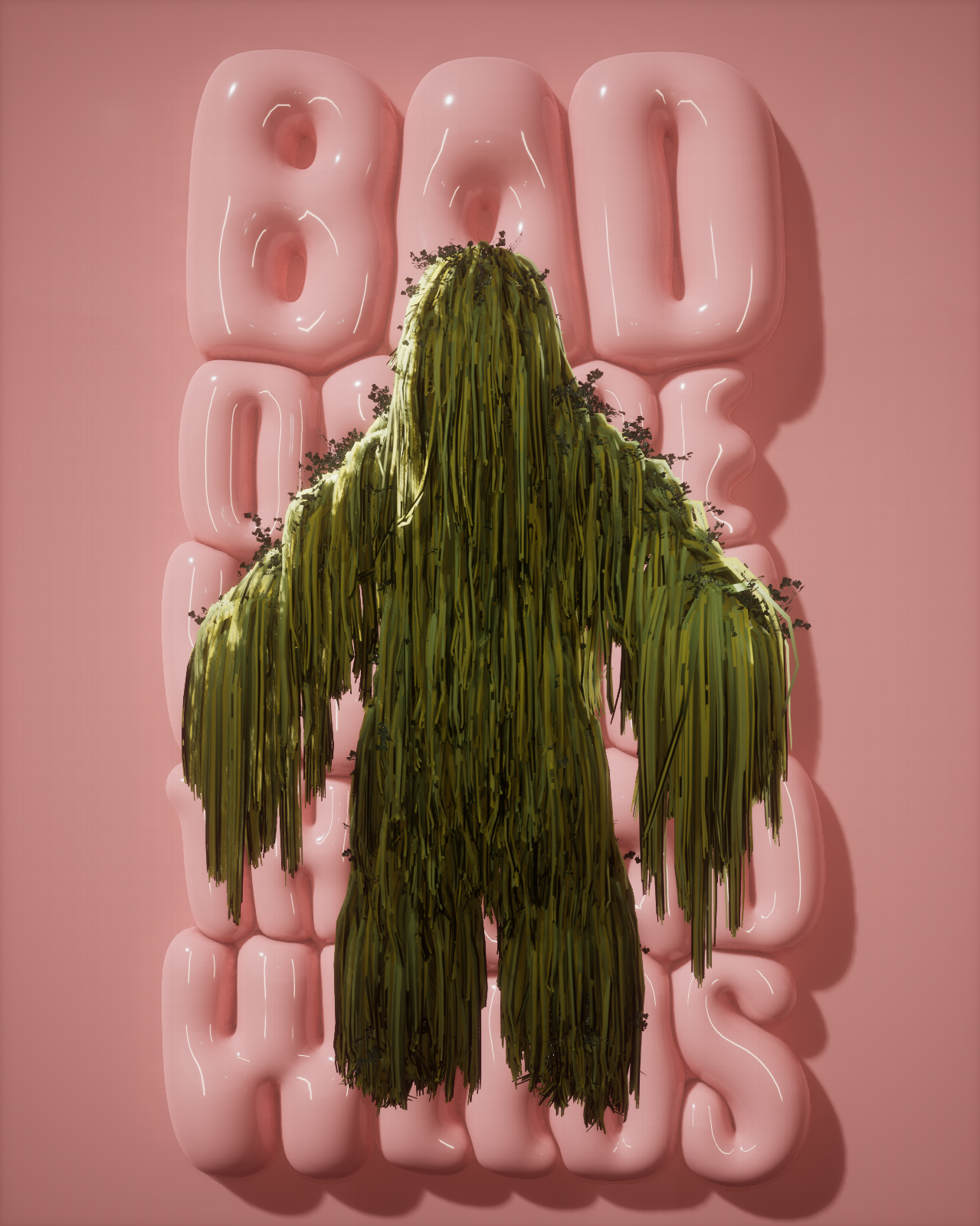
The artist, author and stage director Rocio Berenguer will present BADDANCEWITHTHEBADWEEDS at the contemporary art centre OK Linz (Fadingerstraße 4, 4020 Linz), an immersive and participatory installation that invites visitors to transform into members of THEBADWEEDS, a hybrid community that is half-human and half-plant.
The project combines ecology, speculative fiction, dance and performance in a playful experience that reflects on the potential future of the relationship between humans and nature. Through movement and direct audience participation, Berenguer imagines a queer ecological transition led by weed-inspired mutant beings, capable of growing in the most adverse environments and symbolising resistance and resilience.
Recognised for developing forward-looking narratives that explore the impact of technology and ecological transformation, Berenguer regularly combines scientific research with elements of theatre, dance, video and digital art.
A human artificial intelligence system that reads the city
The Catalan participation includes the presentation of Reality Screenshot, a hybrid performance created by Domestic Data Streamers and Eléctrico 28, which will be performed on 11 September across three sessions.
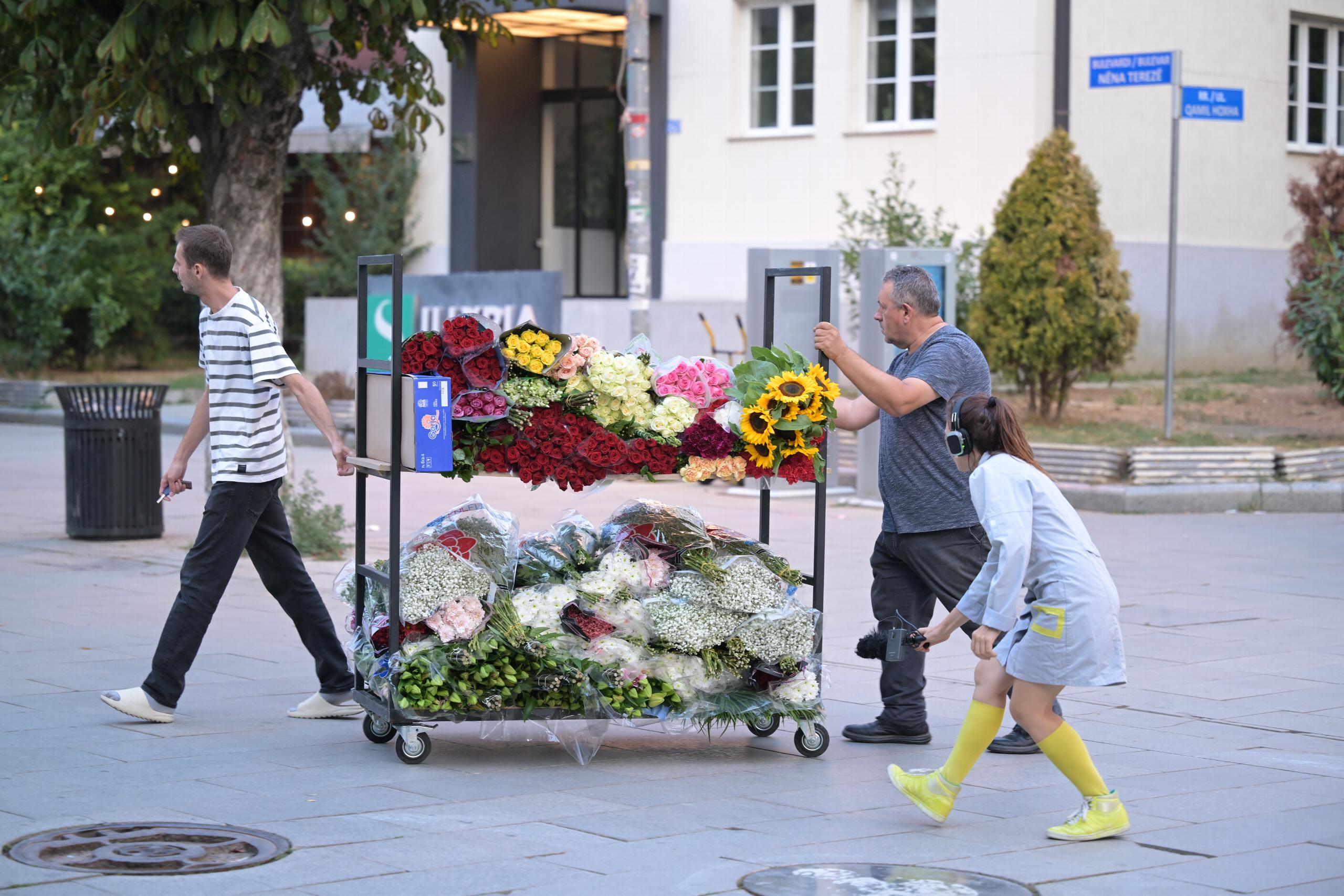
The piece reinterprets the project The Frame using data visualisation methodologies developed by Domestic Data Streamers. The show features a unique "human artificial intelligence" system made up of flesh-and-blood people, which observes, interprets and reflects back to participants the behaviours, tensions and curiosities present in public spaces.
Combining street theatre, citizen participation and data visualisation, Reality Screenshot turns the city into a living stage that invites viewers to reflect on perception, emotions and the ways we relate to the urban environment.
Domestic Data Streamers, a collective founded in Barcelona, is internationally recognised for transforming complex data into participatory experiences, installations and artistic projects that make knowledge more accessible to the public. Eléctrico 28 has become one of Catalonia’s most internationally recognised companies in the field of participatory arts and interventions in public space.
Albert Barqué-Duran and Ada Llauradó-Crespo explore the relationship between the brain and artificial intelligence
Also worth mentioning is the presence of Catalan researchers and creators Albert Barqué-Duran and Ada Llauradó-Crespo in the academic session #4 Art Track: Embodiment, part of the Expanded Conference at Ars Electronica. There they will present SYNAPTICON: Creative Alignment at the Brain–AI Model Interface, an artistic research project that explores the relationships between the brain, artificial intelligence and audiovisual creation. The session will take place on Thursday 10 September at 12:00 at the Danube Triangle of the Ars Electronica Center (Level 3, Sky Loft).
A consolidated Catalan presence
This year''s participation builds on the strong presence of Catalan digital art at Ars Electronica in recent years. The Institut Ramon Llull has regularly supported the participation of Catalan creators at the festival, making it one of the leading international platforms for the promotion of digital art and artistic practices linked to technology.
With projects by Rocio Berenguer, Domestic Data Streamers and Eléctrico 28, Catalan art is once again represented at one of the sector''s most prestigious events, thereby strengthening its international visibility and capacity for innovation in the fields of art, science and technology.